





Pressure Pulsation Testing for OEM Cooling Circuit Components
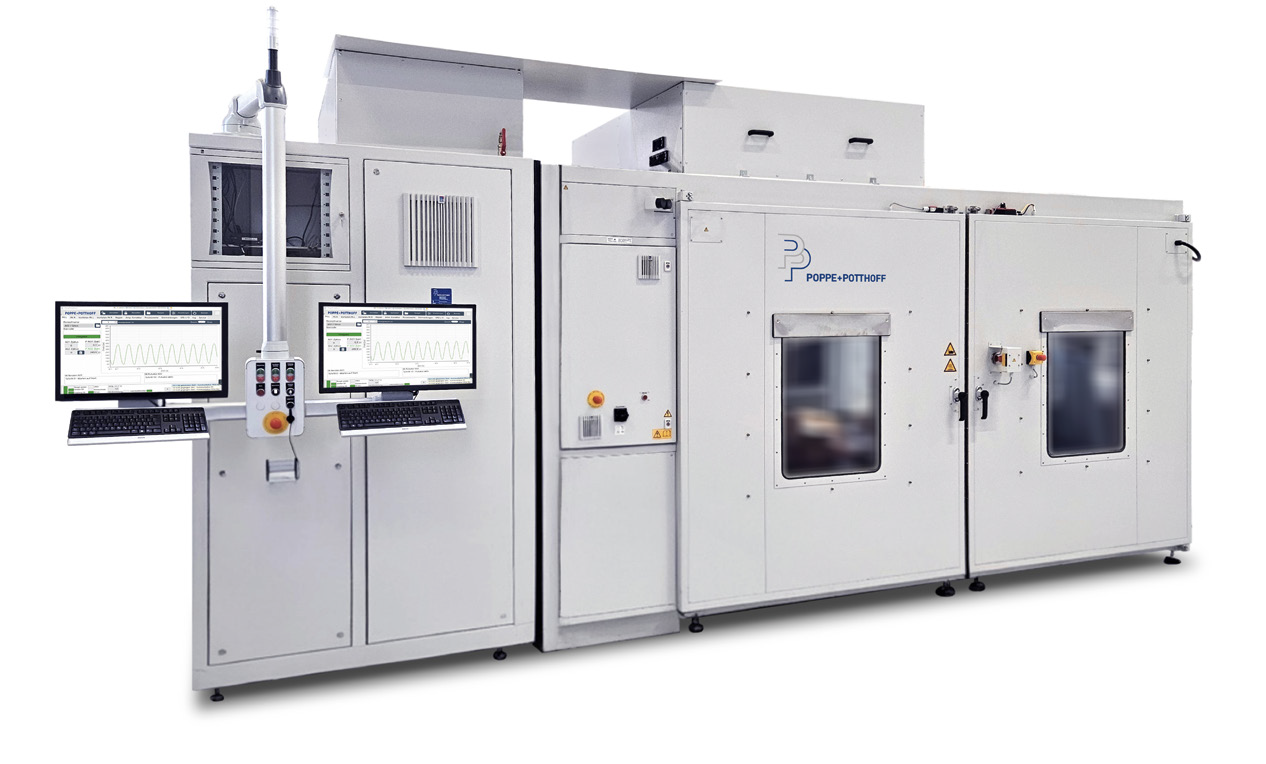
Pressure pulsation testing verifies whether cooling-system components can withstand repetitive pressure fluctuations, temperature loads, and real-world coolant media over thousands or millions of cycles. At Poppe + Potthoff Maschinenbau, we build custom pressure pulsation test rigs for component validation, durability testing, and pre-compliance work across automotive, e-mobility, hydrogen, aerospace, and industrial applications. Our systems are engineered for demanding test programs involving water-glycol media, temperature control, sinusoidal or trapezoidal pressure curves, vacuum and overpressure phases, and multi-station DUT setups.
What is a pressure pulsation test?
A pressure pulsation test, also called a pressure cycle test or, depending on the application, a form of pressure impulse testing, subjects a component to controlled, repeated pressure changes to reproduce field loads and reveal fatigue, leakage, deformation, or sealing failures before series release. In coolant applications, the test often combines cyclic pressure, media temperature, ambient temperature, and sometimes negative pressure or vacuum conditions to simulate filling, heating, and operating states of the cooling circuit.
Typical components tested
For engineers specifically seeking the distinction, open-ended coolant-circuit-style setups are often referred to as pressure-pulsation tests, while closed-ended endurance setups are more commonly described as impulse tests. In practice, search behavior overlaps heavily, so a landing page should intentionally address all three terms: pressure pulsation, pressure cycle, and pressure impulse.
Need a pressure pulsation test rig for coolant components?
Send us your specification, target standard, pressure range, media, and temperature window. We will propose a test-rig concept tailored to your DUTs and validation scope.
Standards and OEM specifications we can cover
We design test rigs for standards-driven validation programs and customer-specific test sequences, including public-reference norms and adjacent OEM requirements, not limited to the following, but including the following:
Volkswagen Group cooling-component specifications
For cooling-system parts such as coolant hoses, radiators, and related assemblies, publicly referenced Volkswagen standards include TL 52361, TL 874, and TL 52682. These specifications are commonly associated with pressure pulsation resistance using coolant media according to TL 774, elevated media temperatures, chamber conditioning, and multi-specimen durability programs
M-07 coolant circuit pressure pulsation testing
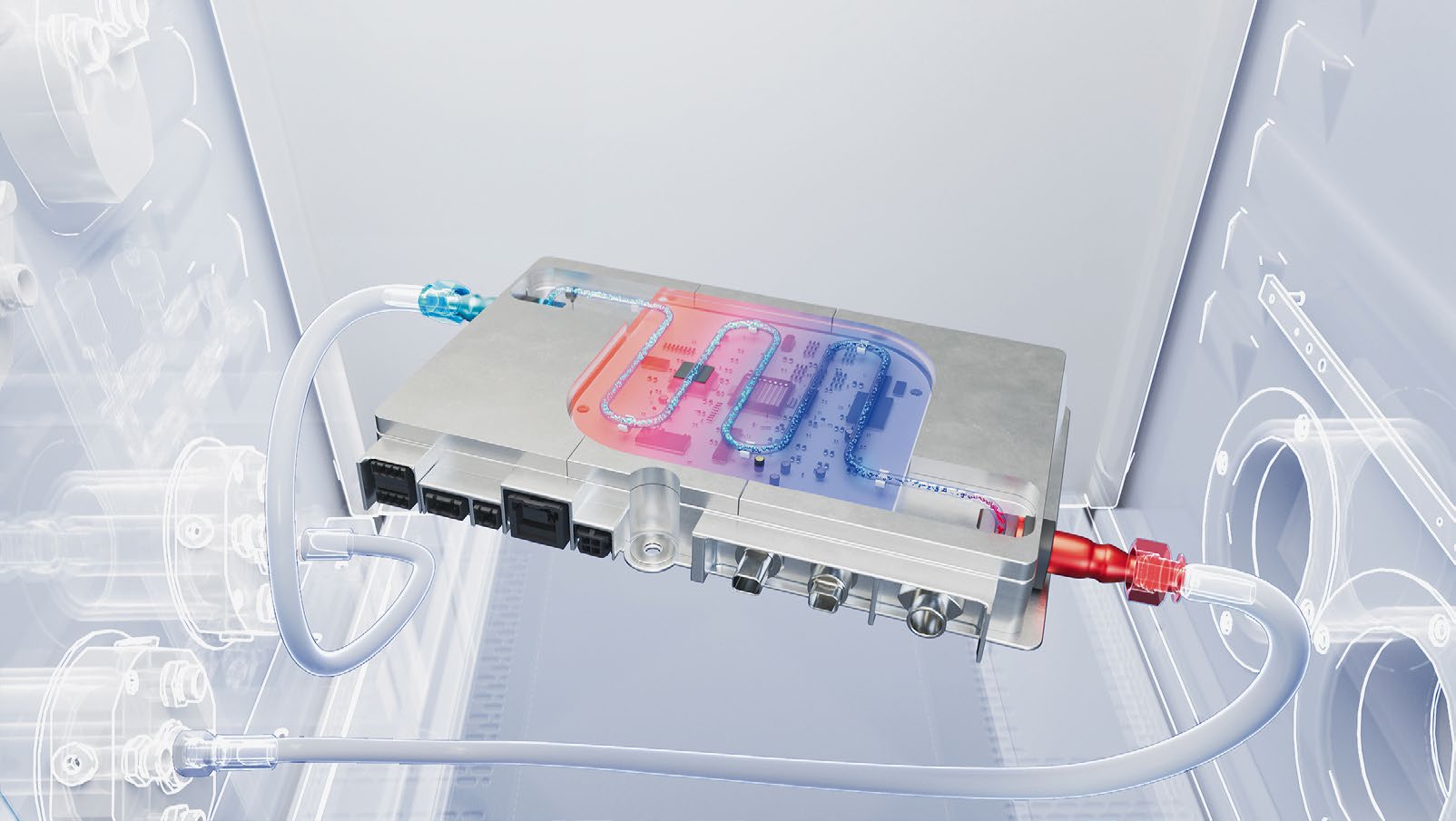
For electric and electronic components connected to a coolant circuit, the M-07 family is highly relevant, especially under LV 124 / BMW GS 95024-3-1, VW 80000, and Mercedes-Benz MBN 10306. Therefore, these requirements are used to verify the mechanical strength and tightness of components exposed to pressure fluctuations, thermal cycling, and pressure changes during filling and operation.
General Motors and related cooling-component validation
For OEM cooling-system programs, GMW15310 is a relevant public GM reference for coolant surge tank assemblies and belongs to the same broader validation environment of cooling-component durability, tightness, and system reliability.
Do you have a test standard, drawing note, or OEM appendix? Send it to us, and we will map the required test logic to a suitable rig concept. Also available as an in-house test service.
Typical Test Capabilities
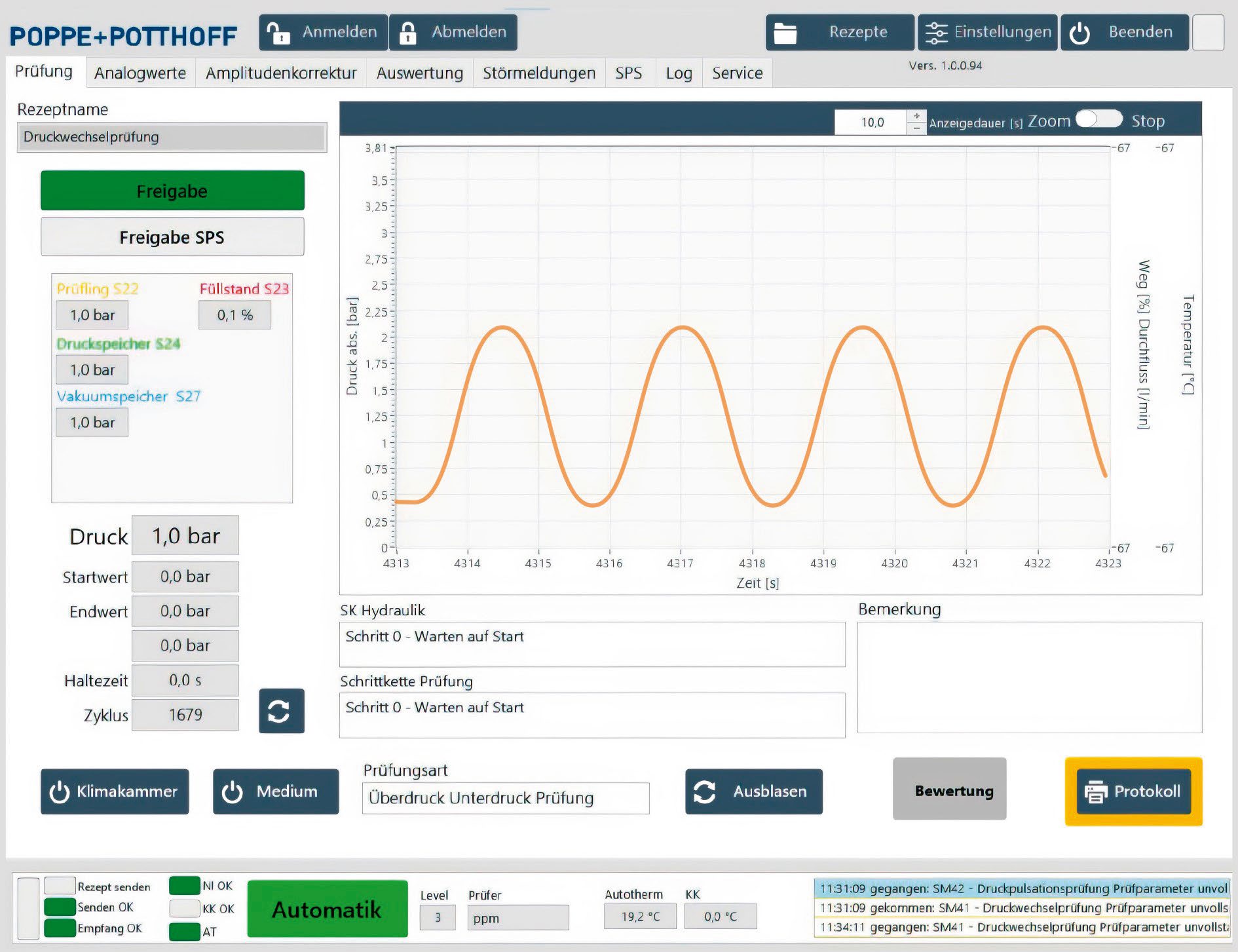
Because the exact parameters depend on the DUT and the target standard, we build test rigs around the required test logic rather than forcing components into a fixed machine layout. As a result, depending on your project, a pressure pulsation system can include:
Why OEM and Tier 1 teams use pressure pulsation testing
Pressure pulsation testing helps engineering, validation, and quality teams answer the questions that matter before SOP:
- Will the component remain tight over its design life?
- How does it behave under fluctuating pressure and temperature?
- Does the sealing concept survive real coolant media and thermal load?
- Are there weak points in joints, housings, welds, connectors, or material transitions?
- Can the design withstand both normal operation and edge-case pressure events?
For cooling circuits in e-mobility and electronics, this is especially relevant because liquid-cooled systems are now used well beyond classic engine compartments, including battery systems, power electronics, ADAS units, and data-center cooling hardware.
Why work with Poppe + Potthoff Maschinenbau
We do not offer a one-size-fits-all machine. We engineer custom pressure pulsation test benches tailored to your DUT, safety concept, and validation target. That matters when a project involves a combination of: